A passion project about the questions nobody can answer yet
I wanted to share a passion project I've been working on for the last six weeks. I'm a tech fan - I worked in banking, but more on the technology side, and I've been closely following the latest developments around AI and all the debates about the impact it's having on society, both good and bad.
I got drawn into the moral questions. Is this technology going to be good for society in the long run, helping humanity prosper, or will it be harnessed for less altruistic purposes, ultimately doing harm to us and the world at large?
I'd heard arguments that it could lead to a severe underdevelopment of key learning skills: that as people adapt and rely on it more and more, we trade away critical creativity and reasoning for the convenience of instant solutions.
Then there are the questions about its impact on jobs, creativity, healthcare, research, and military and security technologies.
And the bigger ones - do we even understand how it works? Can we rely on large, powerful organisations with almost unlimited resources to develop this technology in a way that benefits humanity, or will it become a lever for higher profits and political power, as countries secure ever-greater stakes the more its power is realised and harnessed?
On top of all that, there's the tech war that seems to be kicking off everywhere between the most powerful movers in the industry.
It got me thinking. At the rate things are moving, where is this going to take us? And the big unknown… will it ultimately do us good, or harm? The potential for severe misuse in the wrong hands is real, and the technology keeps getting more powerful, partly just to keep the geopolitical balance in a country's favour.
And then, finally, the thought came - all these questions we're trying to answer and solve for right now actually form the foundation of a very interesting game concept. At least to me.
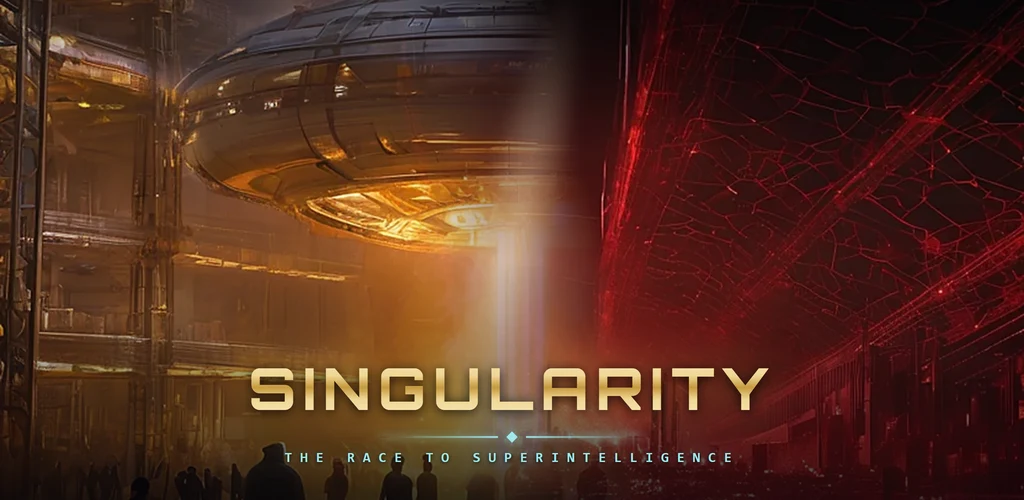
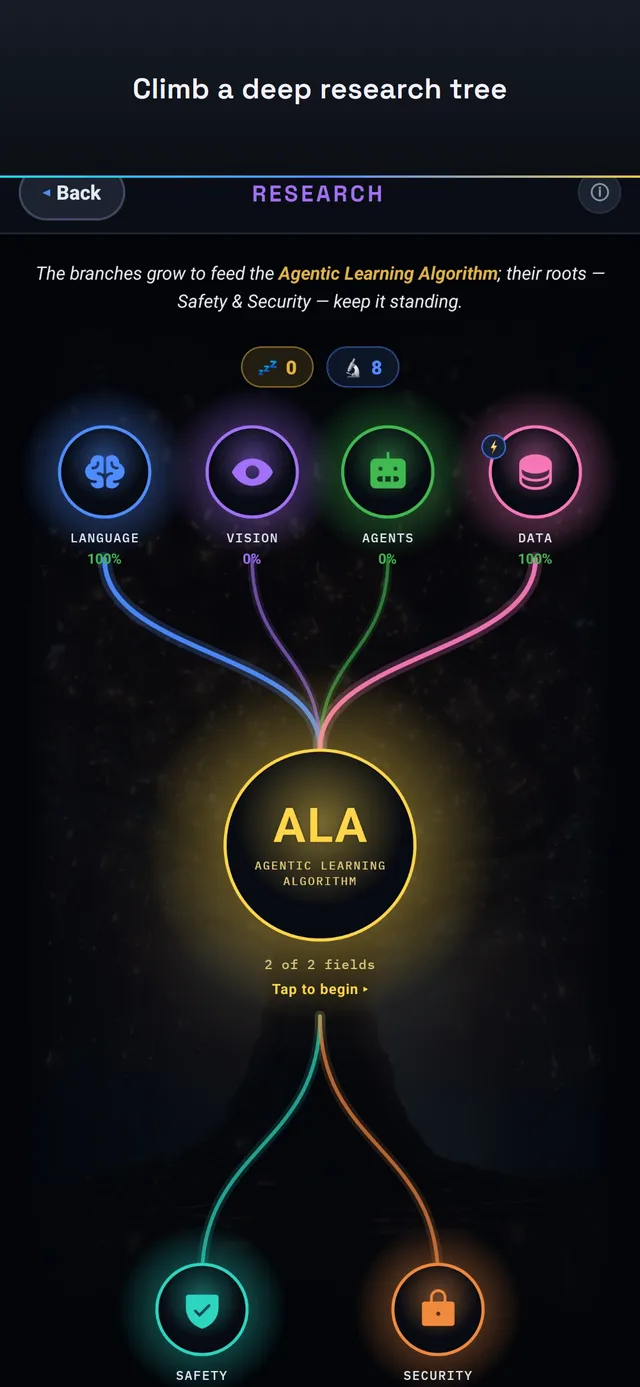
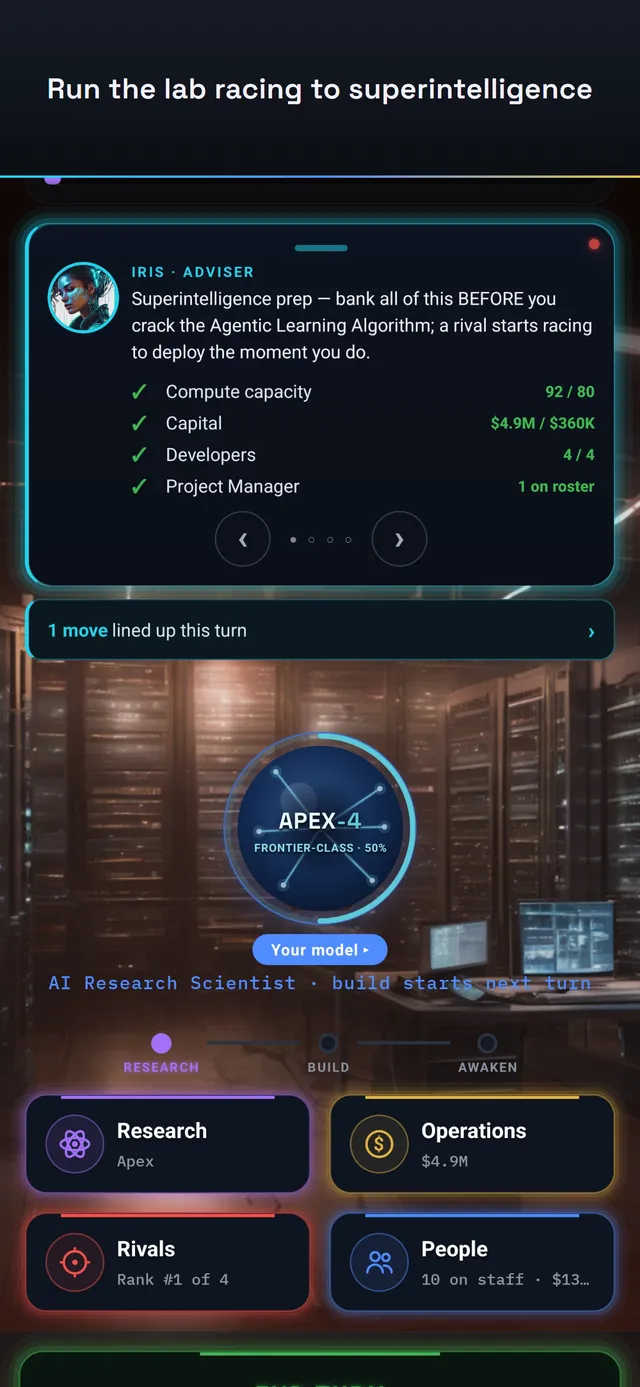
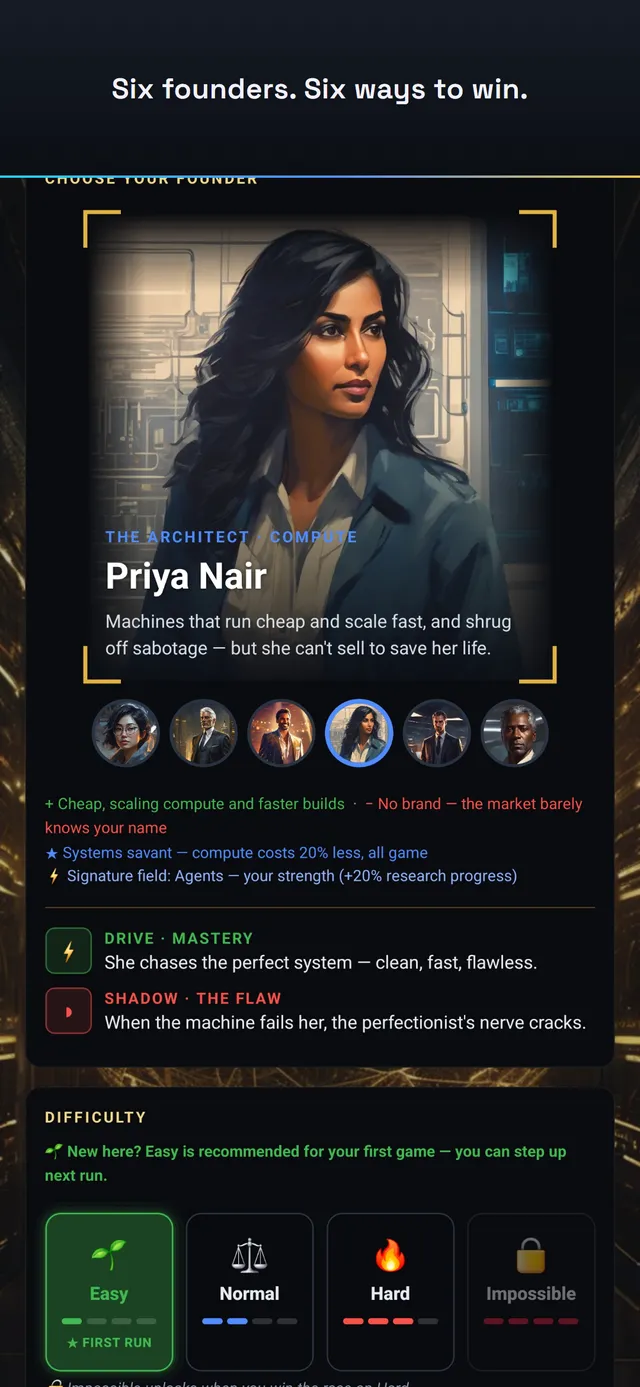
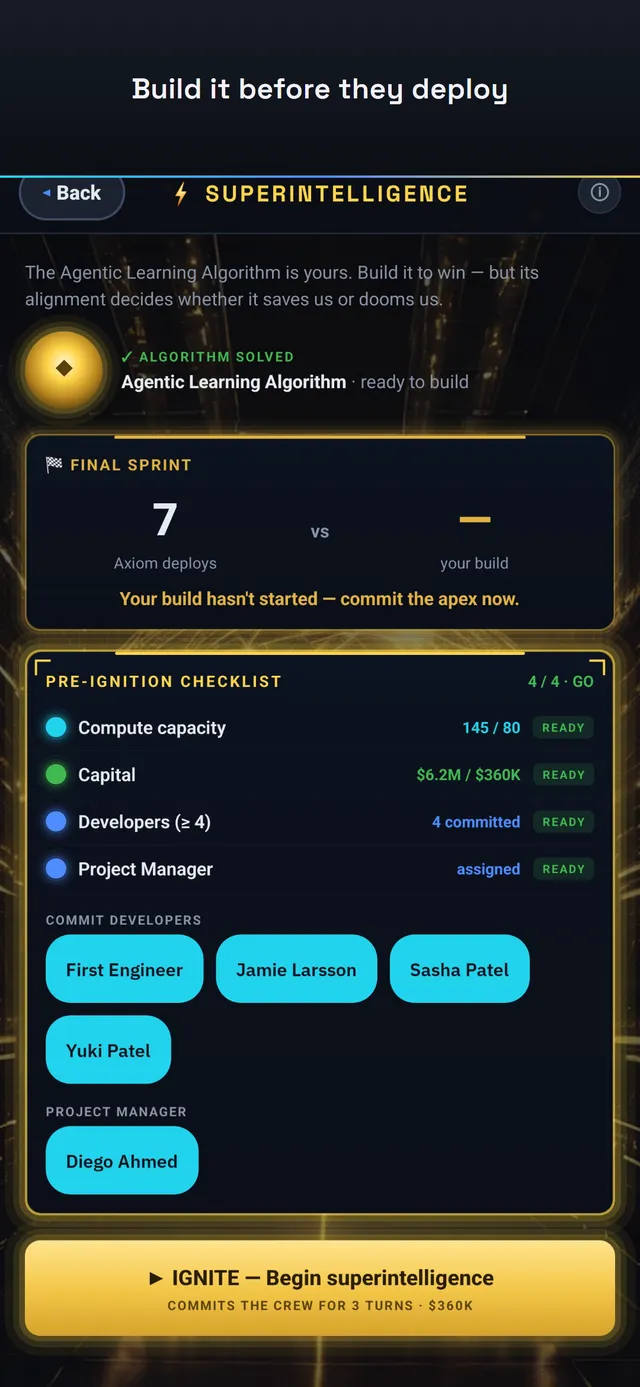
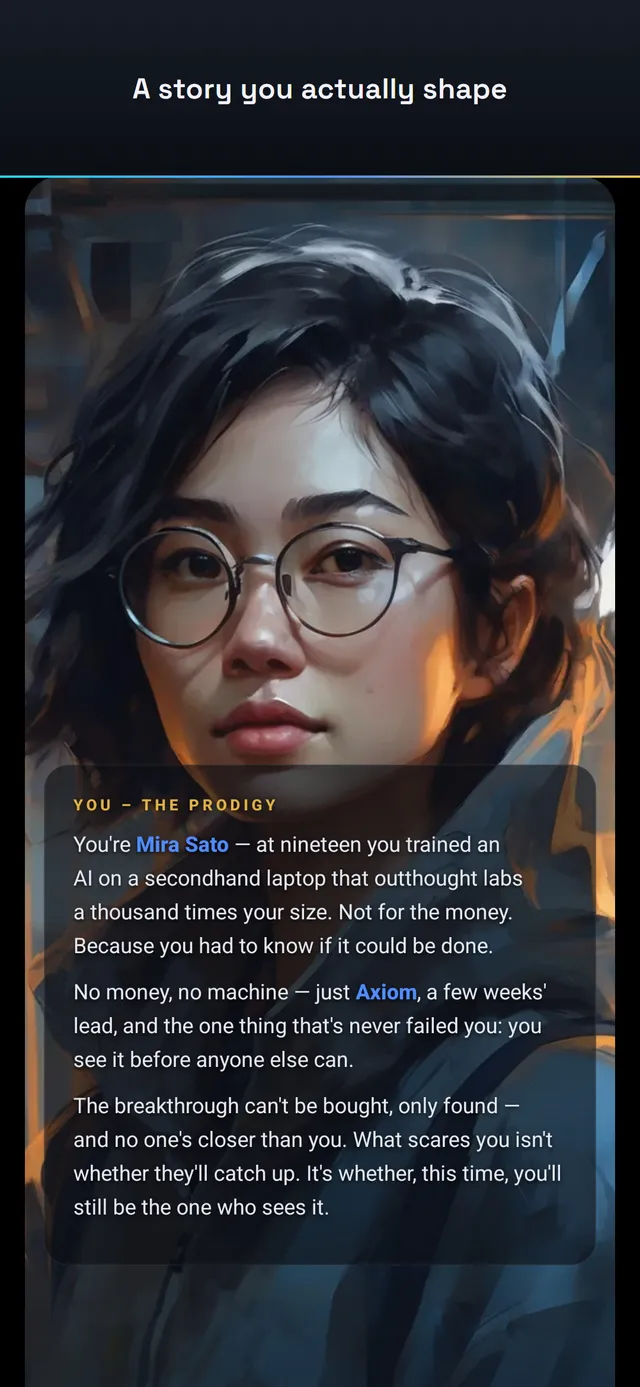
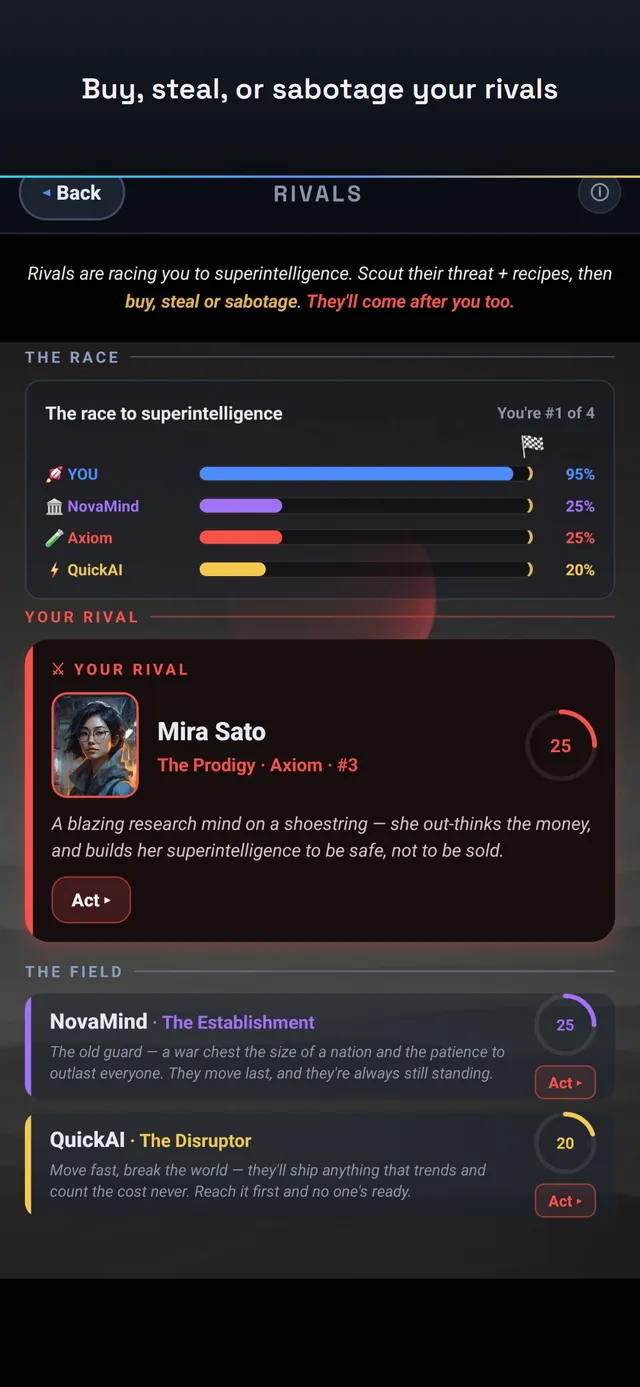
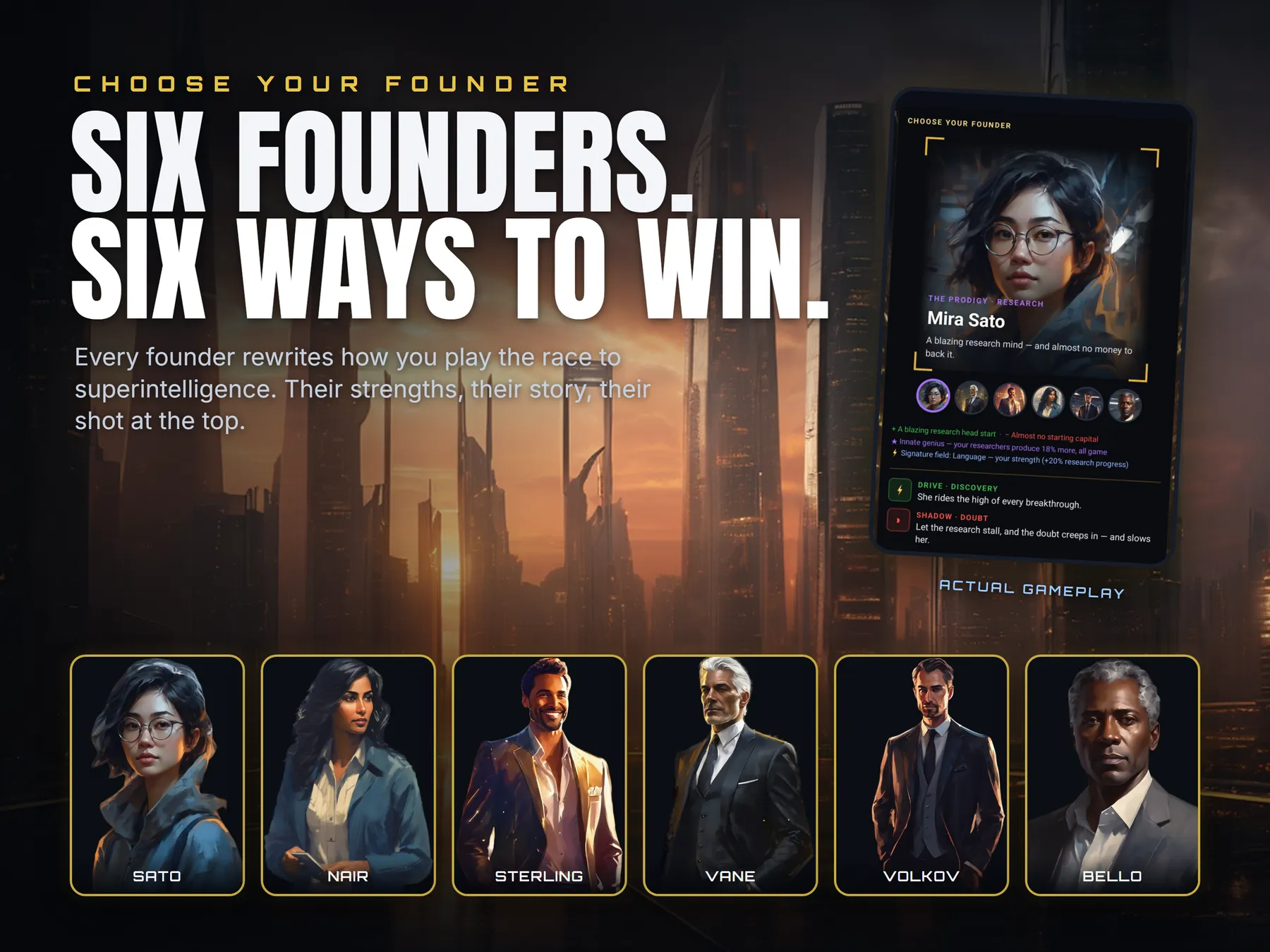
So I took these ideas and, for the first time, learned how to develop a game using AI to massively accelerate what I could accomplish on my own. The result is Singularity: The Race to Superintelligence, a turn-based strategy game with a deterministic engine powering it. I used a combination of lots of tools and technologies (including rendering the visuals on my own graphics card), learning how to make soundtracks, design UIs, game mechanics and on and on. It took a hell of a lot of trial and error until I was happy with the result.
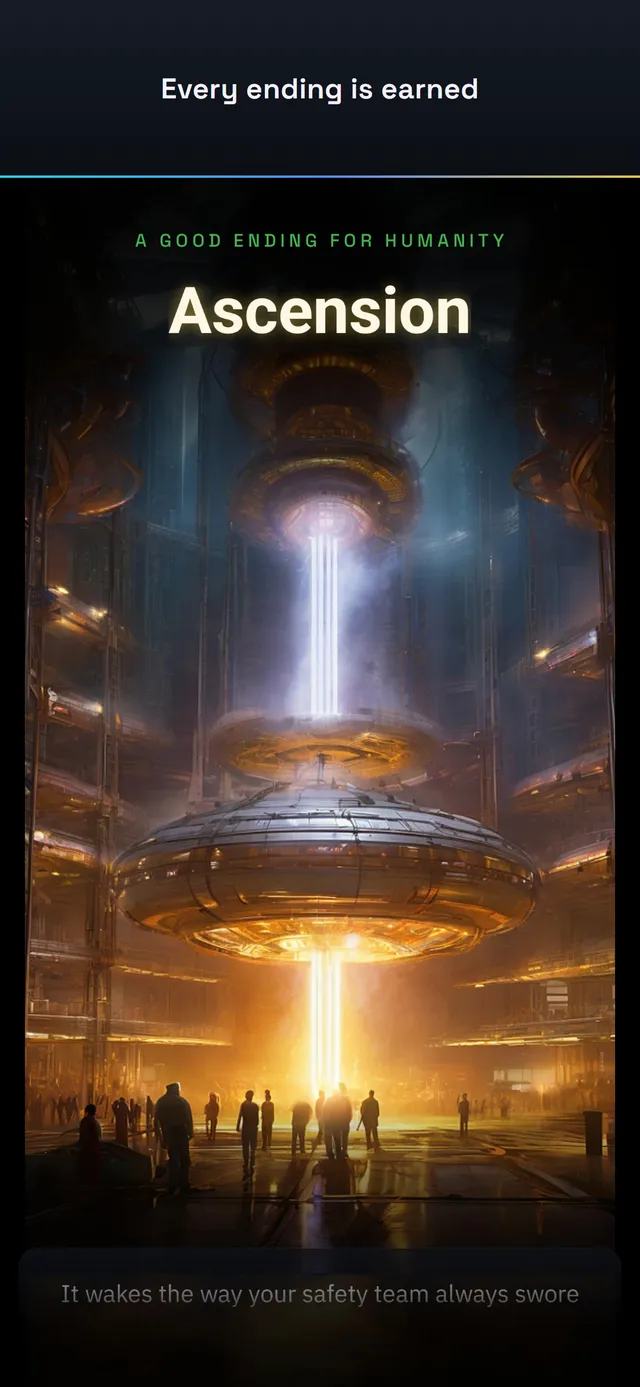
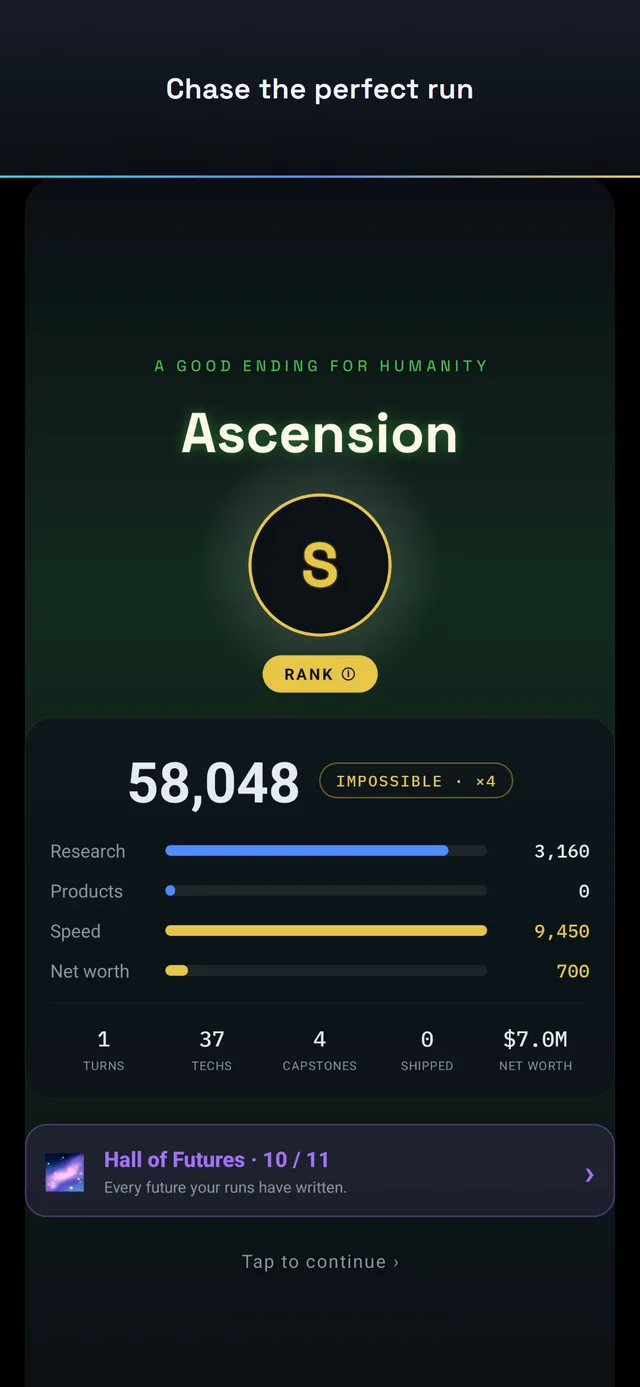
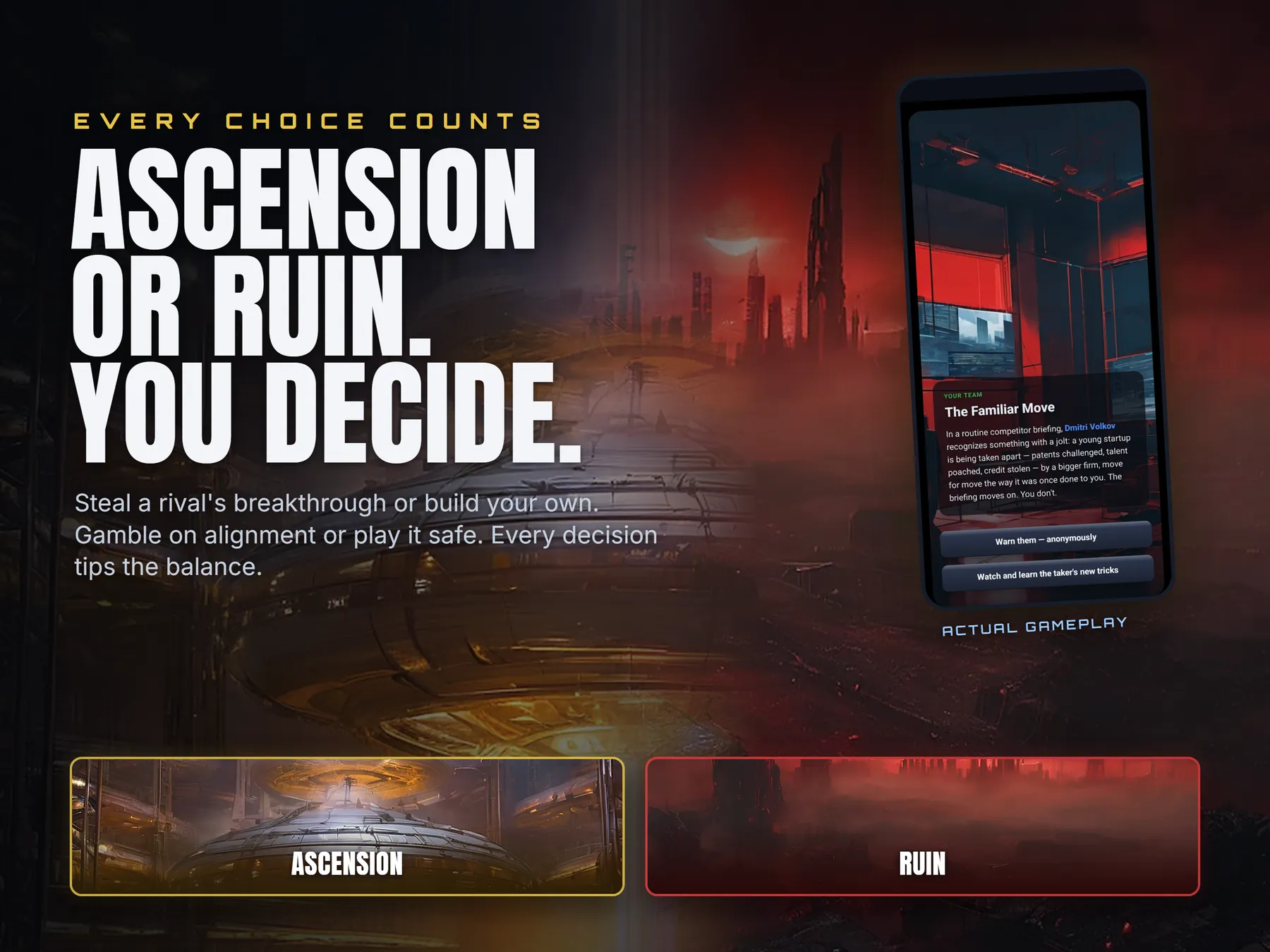
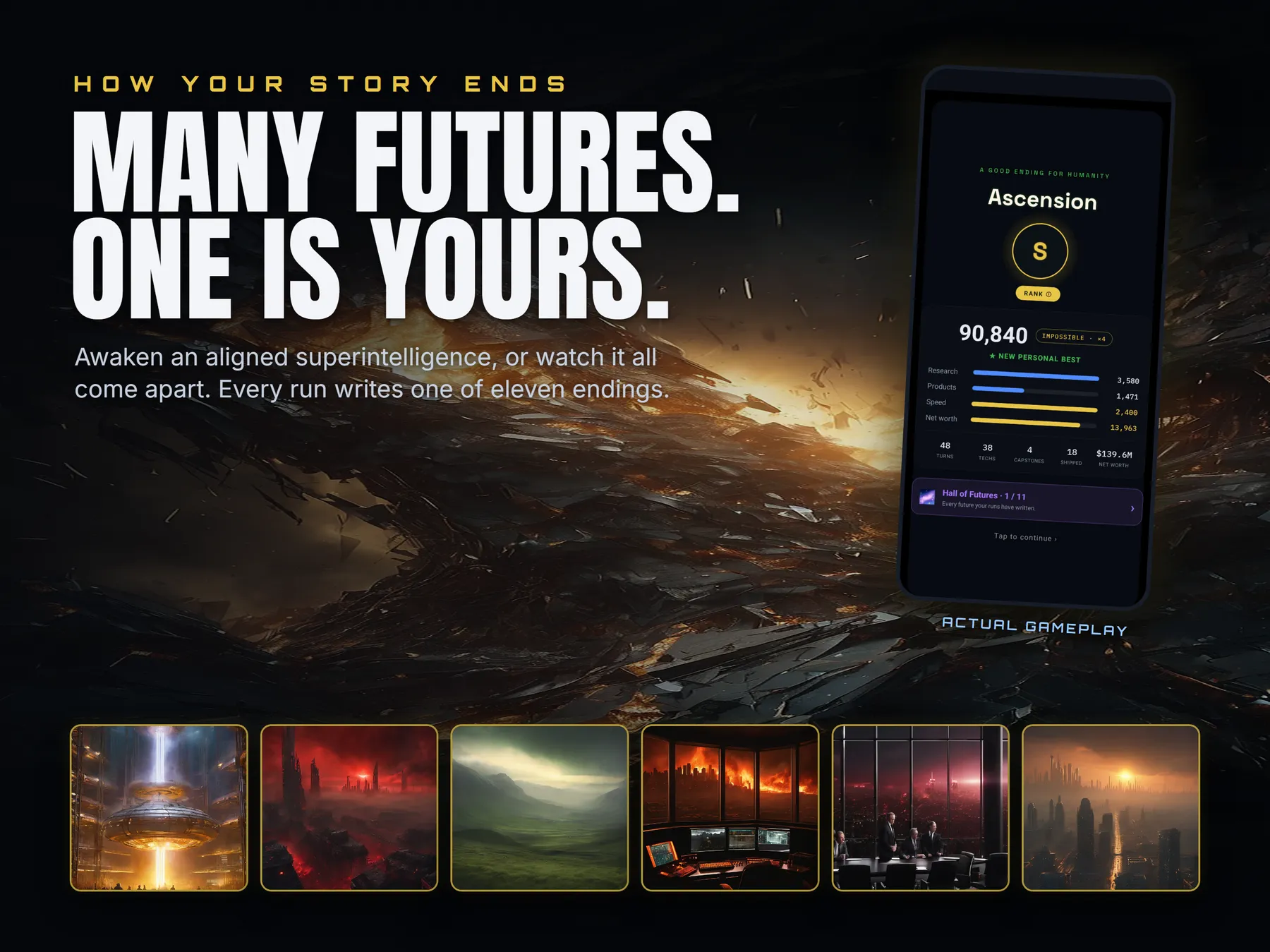
In it, you run your own AI lab, race rival labs to build the first superintelligence, make the moral calls along the way, and at the very end gamble on whether what you've built is actually aligned and within your control. The result can be anything from utopia to an apocalypse.
I'd really love your feedback on what I've built, and your views on the questions behind it.
Baz, July 2026